


Cognitive Behavioural Therapy (CBT) (Paperback)
Your Toolkit to Modify Mood, Overcome Obstructions and Improve Your Life
Clair Pollard Elaine Iljon Foreman
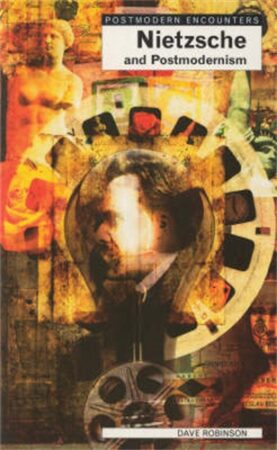
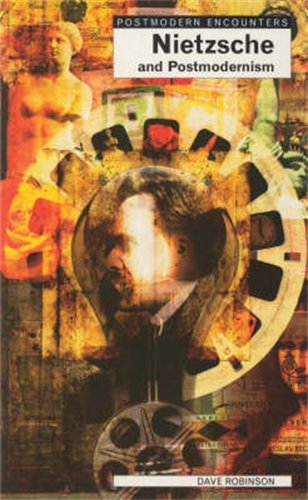
In the POSTMODERN ENCOUNTERS series, Dave Robinson explains the key ideas of this Anti-Christ philosopher and then provides a clear account of the central themes of postmodernist thought exemplified by such thinkers as Derrida, Foucault, Lyotard and Rorty.
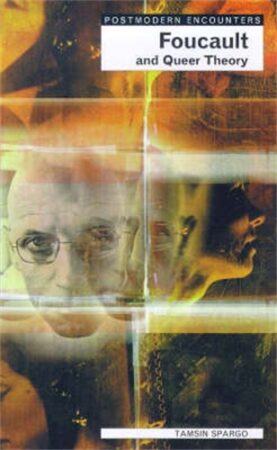
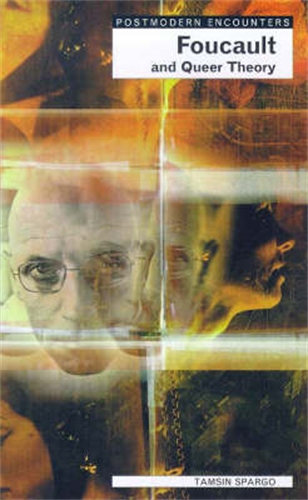
In the POSTMODERN ENCOUNTERS series and providing a brief introduction to Foucault's compelling ideas and the development of Queer culture, this is the meeting place between the Frenchman's theories of sexuality, power and discourse and the current key exponents of Queer thinking.
The eclipse of 1919 was observed from two islands off the coast of South America by an expedition which saw the expected – the bending of starlight by the sun, predicted by Einstein's general theory of relativity. This essay offers an illustration of some of the ideas of Einstein's theory.
In the POSTMODERN ENCOUNTER series, the author places Derrida's rejection of Fukuyama's claim within a wider tradition of endist thought. The Frenchman's critique of endism is highlighted as one of his most valuable contributions to the post-modern cultural debate as well as the most accessible entry to deconstruction.
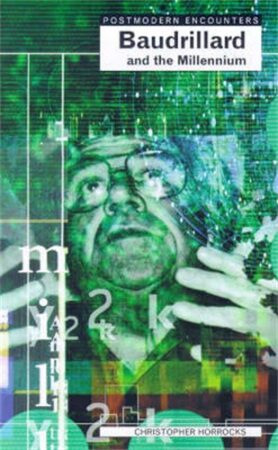
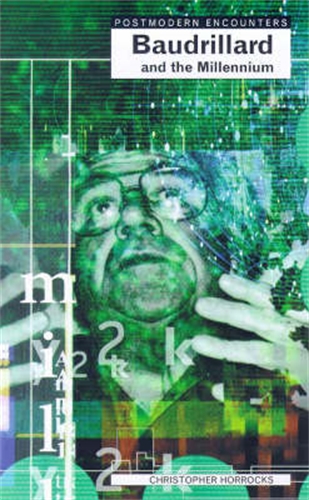
Jean Baudrillard's analysis of the millennium as a non-event is examined here. Key topics, such as natural catastrophes, the body, "victim culture", identity and Internet viruses are discussed in reference to Baudrillard's millennial thought from the 1980s to the threshold of the year 1000.
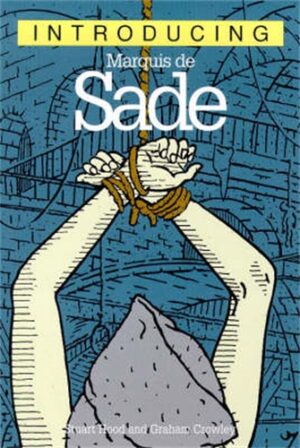
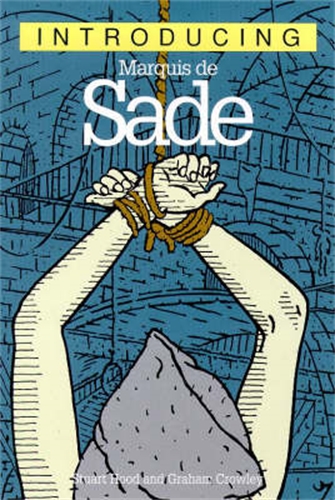
Sadism was Sade's weapon of exploration into the fundamental nature of morality. His excess soon landed him in prison and his dangerous ideas kept him jailed for most of his life. He died in an insane asylum. This guide places Sade in the materialist current of Western philosophy.
Sigmund Freud and Ludwig Wittgenstein were contemporaries. This essay brings these influential Viennese thinkers together in the arena of a postmodern encounter over the question – which of the two philosophies is the better "therapy" for us in the 21st century?
Rather than a neutral value-free quest for "Truth", Thomas Kuhn reduced science to puzzle-solving within belief systems. This introduction provides an analysis of the conflict and shows how science has become a contested cultural symbol.
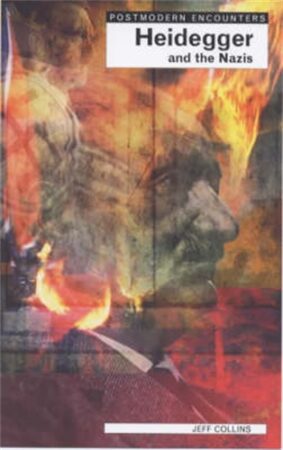
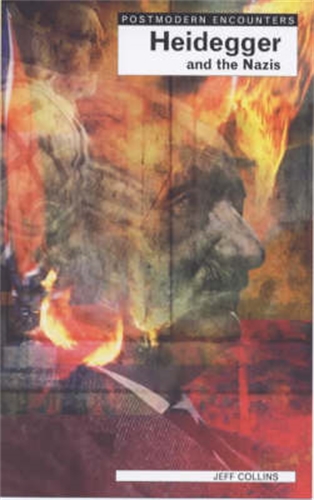
This is a review of the facts and arguments surrounding Heidegger's politics and his advocacy of Nazism. Reason, modernity, humanism, subjectivity and identity are among the issues.
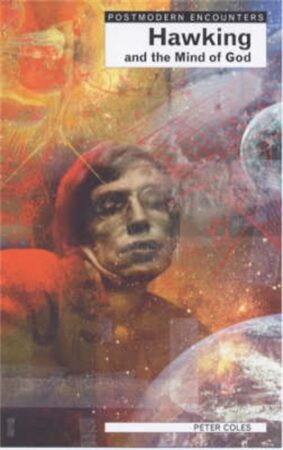
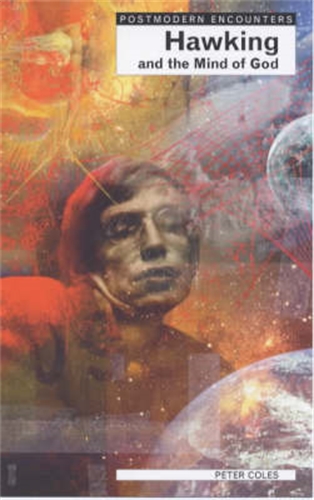
It is Stephen Hawking's belief that when the theory of everything is discovered, we will at last know the mind of God. Peter Coles explains and examines this belief.
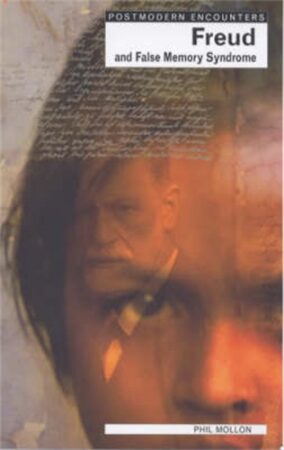
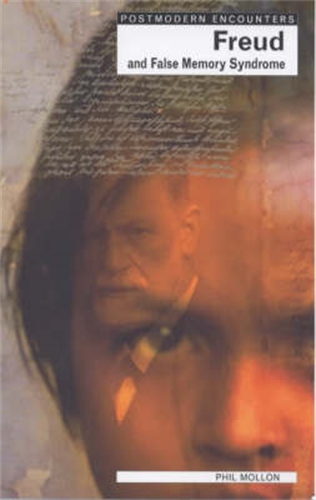
The allegation that psychotherapists may sometimes have fostered false memories of childhood sexual abuse has caused a scientific and legal controversy. This essay explores Freud and his understanding of memory.
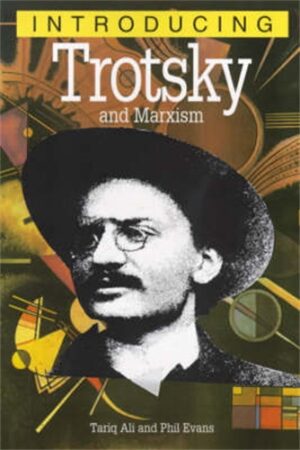
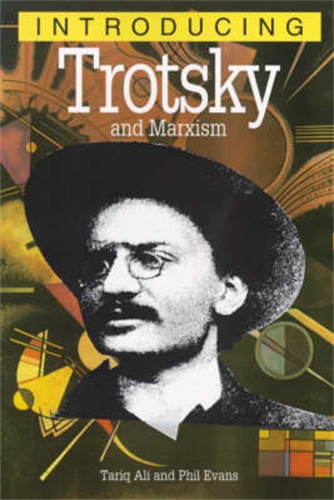
This introduction shows how Trotsky predicted the Holocaust and foresaw events in Eastern Europe following the collapse of the Eastern bloc. It explains how he saw the Stalinist system as a transitional state which would either move toward socialism or revert to capitalism.

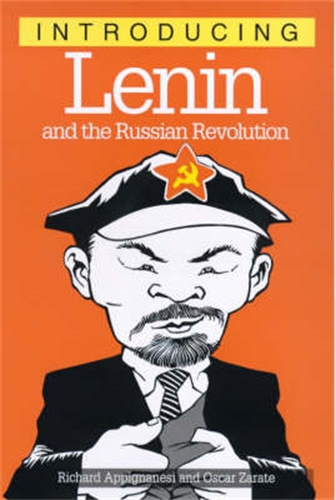
Understanding the events in post-Communist Russia and Eastern Europe at the turn of the millennium requires a basic grasp of the Russian Revolution and Lenin's role in it. This reference aims to make that part of history accessible.
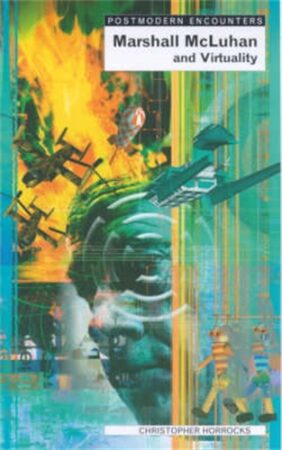
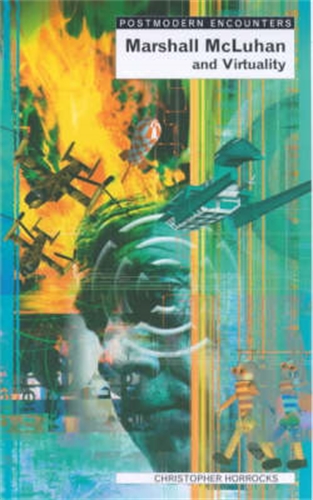
The existence now of "virtual" communities underlines what McLuhan predicted, and the philosophical questions that become apparent make a reassessment of his work rather timely. This text attempts to do this by discussing Marshall McLuhan and the subject of "virtuality".
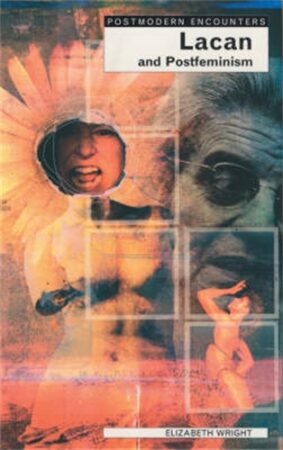
Jacques Lacan's influence has spread far from the clinical psychology that his theories were rooted in, to become a touch point in English, social science, philosophy, and perhaps most radically, feminism. This text looks at Lacan and feminism.
In this book, Peter Coles examines insights into the sociological conflict between "Big Science" and popular culture that are as real today as they were in the 1920s.
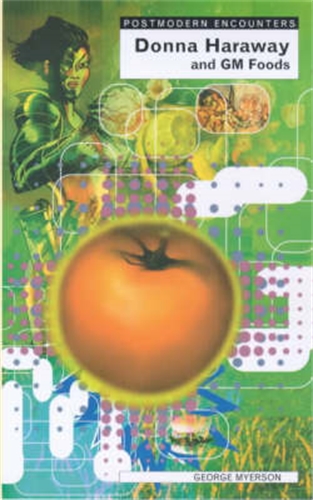
In this text, George Myerson examines the media hype surrounding genetically-modified foods in the light of Donna Haraway's postmodern, but critical work becoming ever more essential as we watch technology engulf our lives.
A mini-essay which illuminates the psychoanalytical concept of the unconscious and its relationship to the way people lead real lives. It is jargon-free and includes examples taken from the lives of well-known people, and from art, music, poetry and literature.
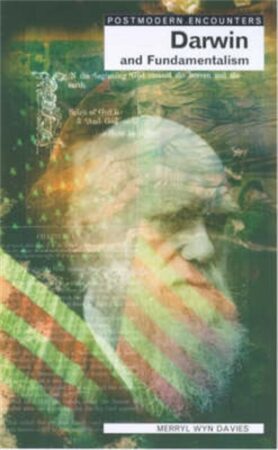
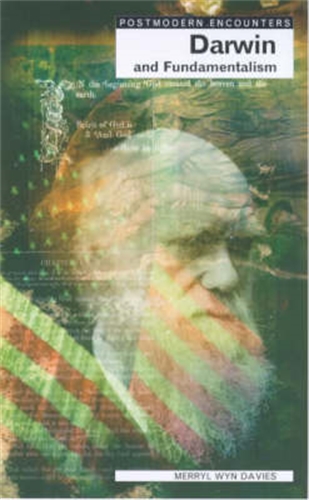
This book examines the use of Darwinist ideas in a plethora of regimes, and considers his legacy and reception outside the scientific community in which he ostensibly worked.
