

Why Blame Israel? (Hardback)
The Facts Behind the Headlines
Neill Lochery
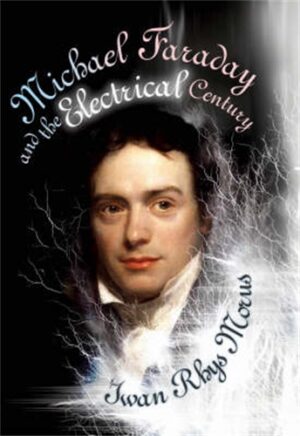
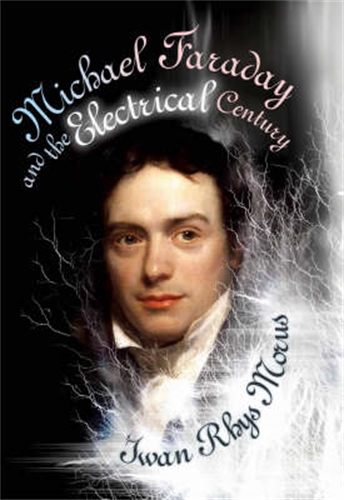
The only scientist to appear on the British twenty pound note, Michael Faraday is one of the most recognisable names in the history of science. Faraday's forte was electricity, a revolutionary force in nineteenth-century society. The electric telegraph made mass-communication possible; hopeful inventors during the 1840s looked forward to the day when everything would be done by electricity. By the end of the century, electricity really was in the process of transforming everyday life. What was Faraday's role in all this? How did his science come to have such an impact on the Victorians' (and ultimately on our) lives? Iwan Morus tells the story of his upbringing in scientific London and his apprenticeship at the Royal Institution with the flamboyant chemist, Sir Humphry Davy, against the backdrop of a vibrant scientific culture at the centre of an Empire near the peak of its power.

The mobile phone is one of the wonders of the modern world. This vibrant, popular history tells the story of the mobile, what happened and why.
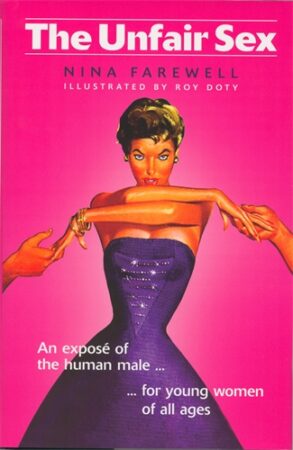
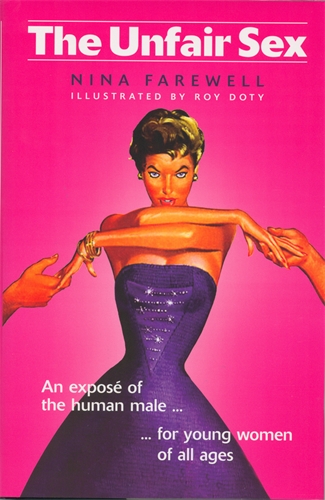
All is fair in love and war…and the two are more similar than you might think in this facsimile of a 1950s guide to the battle of the sexes. This timeless guide reveals the arsenal of devices, techniques and approaches a man deploys to get what he wants and details the countermeasures a woman can take to come out on top. Learn how to get all that you want without giving men the one thing that they want. Irreverent and witty, this enduring volume is essential reading for any woman who wants to protect her virtue – or appear to!
Friedrich Nietzsche (1844-1900) has exerted a huge influence on 20th century philosophy and literature – an influence that looks set to continue into the 21st century. Nietzsche questioned what it means for us to live in our modern world. He was an 'anti-philosopher' who expressed grave reservations about the reliability and extent of human knowledge. His radical scepticism disturbs our deepest-held beliefs and values. For these reasons, Nietzsche casts a 'long shadow' on the complex cultural and philosophical phenomenon we now call 'postmodernism'. "Nietzsche and Postmodernism" explains the key ideas of this 'Anti-Christ' philosopher. It then provides a clear account of the central themes of postmodernist thought exemplified by such thinkers as Derrida, Foucault, Lyotard and Rorty, and concludes by asking if Nietzsche can justifiably be called the first great postmodernist.
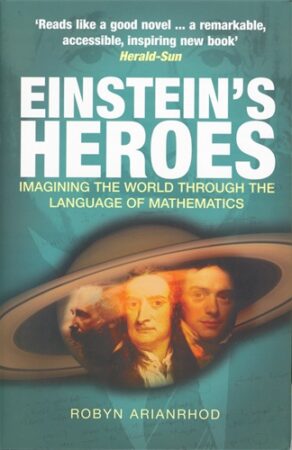
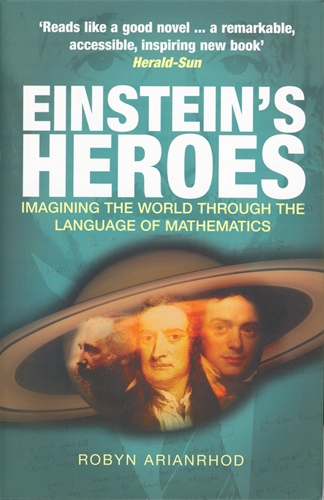
Blending science, history and biography, Einstein's Heroes takes you on a journey of discovery about the phenomenon of mathematics – humanity's universal language and one of our most amazing accomplishments. At the book's centre are the brilliant scientists who inspired Einstein, particularly James Clerk Maxwell, Michael Faraday and Isaac Newton. Together Maxwell and Faraday settled a centuries-old physical dispute, which Newton had left in his wake, establishing mathematics as the ultimate arbiter of physical reality. With the talent of a great storyteller, Arianrhod weaves warmly observed biographies into a passionate argument for the beauty and universality of the language of maths. Einstein's Heroes is an enthralling exploration of the special magic of science, and the lives of some of its most brilliant exemplars.
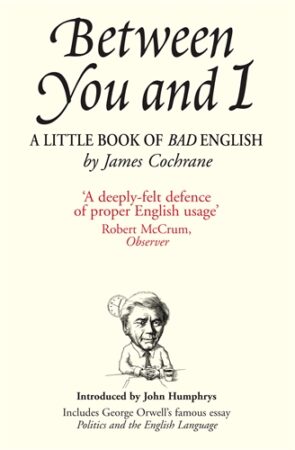
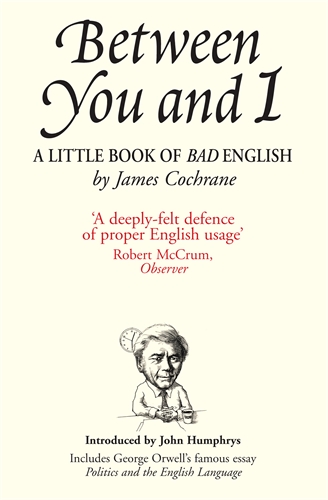
John Humphrys, Britain's best-loved radio journalist, introduces a new edition of this waspish review of the massacre of the Queen's English. This handy guide is a valiant attempt to salvage some pearts of good usage from the linguistic dystopia of modern Britain. For the most part, the examples of bad English come from people in the public eye who consider themselves educated and who ought to know better. Between You and I should be the constant bedside companion of any person of sensibility who, against all odds, wants to save our language.
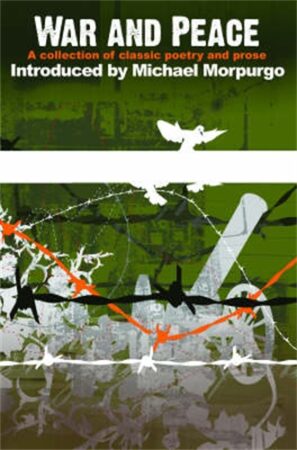
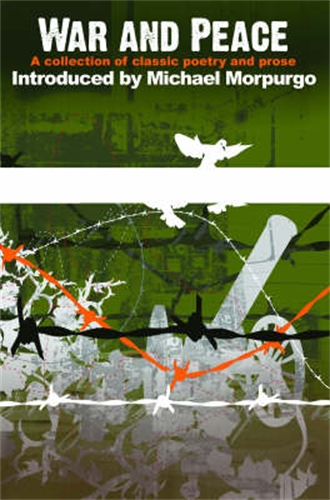
'My subject is War, and the pity of War', wrote First World War poet Wilfred Owen, yet for Rupert Brooke war was a matter of pride, not pity. Sometimes war might even be a vehicle for humour. Whether it's battle hymn or lament, silent reverie or marching song, all aspects of war and peace are to be found in this anthology of classic poetry and prose.
A title in this series of interactive solo or two player game books featuring the most popular sport in the world – soccer. Learn the tricks and tactics of the game and lead your team to victory! Ages 8+.
A title in this series of interactive solo or two player game books featuring the most popular sport in the world – soccer. Learn the tricks and tactics of the game and lead your team to victory! Ages 8+.
A title in this series of interactive solo or two player game books featuring the most popular sport in the world – soccer. Learn the tricks and tactics of the game and lead your team to victory! Ages 8+.
A title in this series of interactive solo or two player game books featuring the most popular sport in the world – soccer. Learn the tricks and tactics of the game and lead your team to victory! Ages 8+.
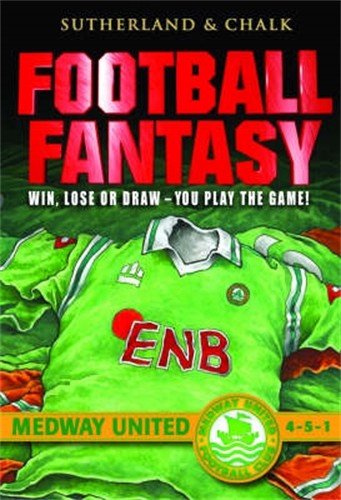
A title in this series of interactive solo or two player game books featuring the most popular sport in the world – soccer. Learn the tricks and tactics of the game and lead your team to victory! Ages 8+.
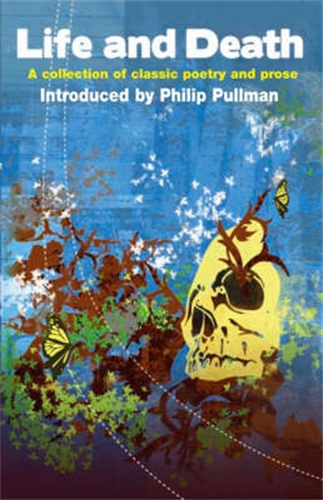
Includes poems by Matthew Arnold, William Cowper, Byron, Donne, Robert Frost and Keats, as well as extracts from Wuthering Heights, The Divine Comedy and The Pilgrim's Progress.
A title in this series of interactive solo or two player game books featuring the most popular sport in the world – soccer. Learn the tricks and tactics of the game and lead your team to victory! Ages 8+.
Whether it is major political events like the USA’s annexation of Texas (1 March) or incredible discoveries like that of Tutankhamun’s tomb (26 November), every event in history happened – of course – on one of 365 days. Pore through history day-by-day with 365 and become engrossed in this lovingly constructed wealth of historical anecdotes. 365: Your Date with History is a fantastically browsable historical encyclopaedia, mapping the highs and lows of human existence day-by-day throughout the year. Each day is accompanied by historical facts and sometimes brief, often more lengthy, stories from a dizzying array of subjects. Written accessibly and with plenty of personality, 365 will be a have-around-the-house favourite for years.
W.B. Marsh was born in New York, and now lives in London. On his birthday – 26 October – the legendary ‘Gunfight at the OK Corral’ took place at Tombstone, Arizona, in 1881.
Bruce Carrick has worked in book publishing for many years in New York and London. On his birthday in 1897 Marcel Proust had a duel with fellow writer Jean Lorrain.
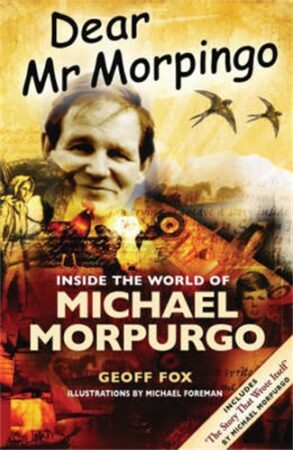
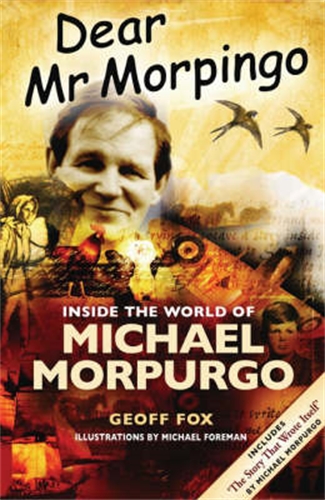
Children's Laureate, prize-winning author and originator of 'Farms for City Children', Michael Morpurgo has written over 90 books. He is a recipient of the Whitbread Children's Book Award, the Smarties Prize and the Children's Book Award. This book looks at the world of Michael Morpurgo, his childhood, how he began to write, and the people, the stories and the landscapes that have influenced his work. It examines the books themselves, drawing together common themes and encouraging the reader to read further for themselves. It also includes a section on the development of a book, answering some of those questions that Michael is frequently asked, 'where do you get your ideas from?' or 'how long does it take to produce a book?' There is even a previously unpublished story – a real treat from the pen of the Children's Laureate.
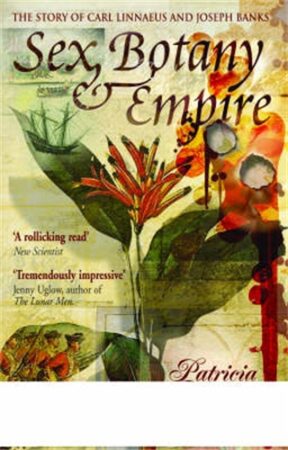
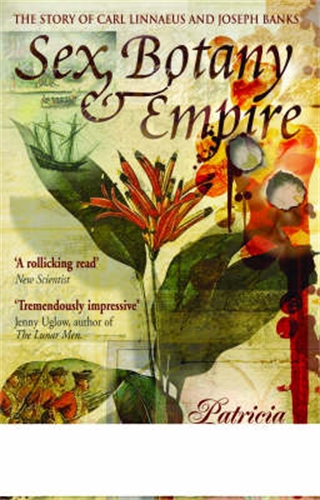
When the imperial explorer James Cook returned from his first voyage to Australia, scandal writers mercilessly satirised the amorous exploits of his botanist, Joseph Banks. Was the pursuit of scientific truth really what drove Enlightenment science? Patricia Fara reveals the existence, barely concealed under Banks' and Linnaeus' camouflage of noble Enlightenment, of the altogether more seedy drives to conquer, subdue and deflower in the name of the British Imperial state.
