


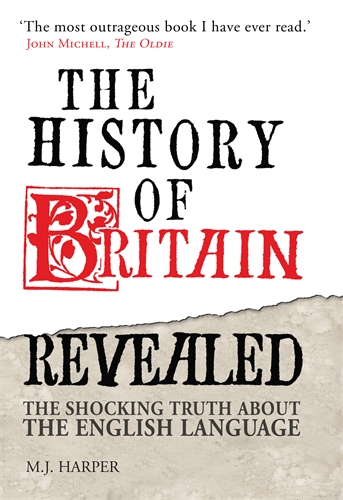
The History of Britain Revealed (Hardback)
The Shocking Truth About the English Language
Michael John Harper
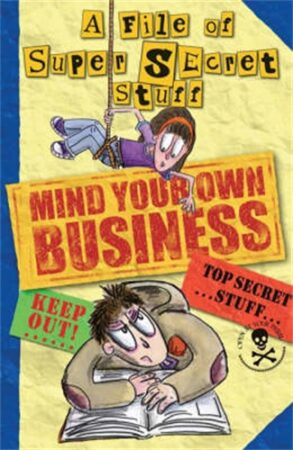
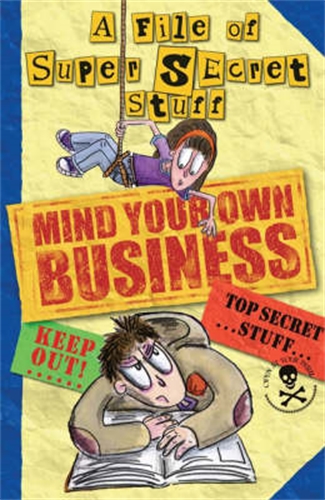
Do you need a place to keep your deepest thoughts and darkest plots under wraps? Would you like to be able to log private opinions that are for your eyes only? Use this book to get secretly interactive. You can create personal files, plan your victories, record triumphs, and design your own dream cars. Crammed full of hot tips, cool facts and funny stories – this is what you must have when you really need to mind your own business!
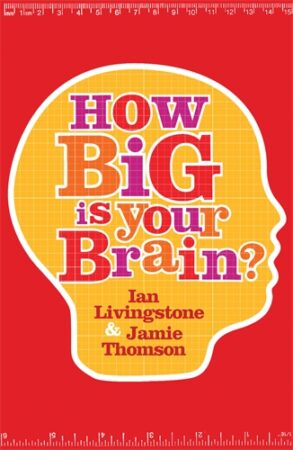
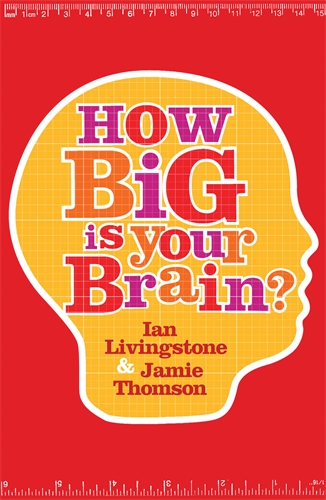
This title contains over 300 interactive number puzzles, codes and logic conundrums including a 16 page colour section. It is perfect for the 'New Year, New You' market – discover whether your brain is the size of a pea or the size of a planet! Like the rest of your body, your brain needs to sweat and stretch to improve. Give it the workout it deserves with this interactive book, and develop your concentration, memory and creative thinking! Ranging from the mildly challenging to the almost impossible, each puzzle directs you to another when completed – depending on whether or not you got the first one right! It's a fiendish interactive maze of riddles, enigmas and fanciful brainteasers, including code-breaking, number-crunching and logic conundrums, all there to test your mind to the limit. With over 200 puzzles, "How Big is Your Brain" can be endlessly replayed to improve your mind – and a brain-boosting score. How big is your brain? – take the challenge and find out!
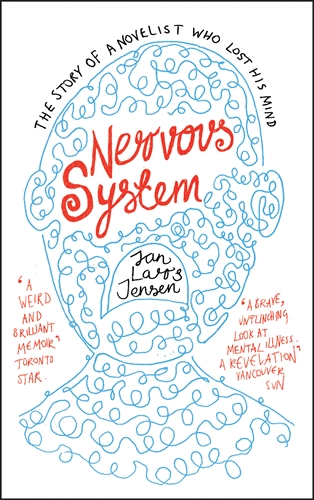
This is a memoir in the vein of Plath's "Bell Jar". A few months after selling his first book to a major publisher, Jan Lars Jensen woke in a psychiatric ward, only to find that the ideas that had inspired his fiction now roamed through his waking nightmares. Gripping and harrowing, darkly comic and deeply moving, "Nervous System" is the memoir of a novelist who almost let his imagination get the best of him.
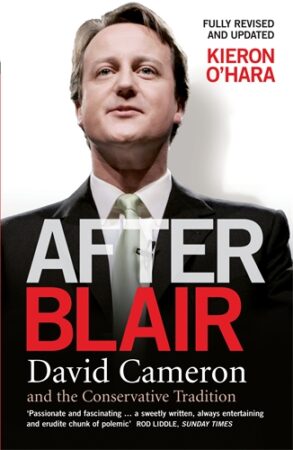
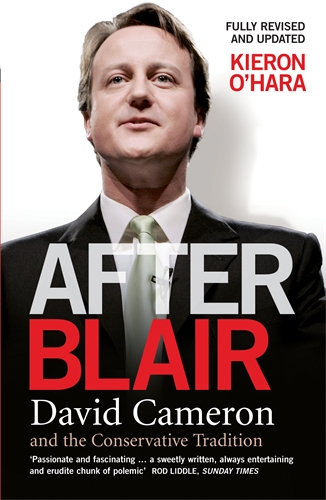
In David Cameron's review of the first edition of this book, he praised its 'road map for a sustained Conservative recovery' and is now following its prescription, leading to a successful Tory revival. Revised and significantly expanded this is the first book to consider Cameron and the Tories' future. Calling the first edition 'a compelling, and often persuasive read', David Cameron's detailed review of "After Blair" has been held up by the "Guardian" as the best description of his policies yet. His strong association with the book continued when he referred to it in his famous Keith Joseph lecture last spring. In this revised and expanded edition, O'Hara places Cameron in the context of Conservative history, explaining Cameron's intellectual and political roots in a way that no other book has. Including new, exclusive interviews with Cameron's principal advisors and strategists, a summary of the threat from the right to the Tories' new direction, and an analysis of Cameron's potential, this is the essential book on British politics today.
200,000 people attend the race weekend of each and every Grand Prix, and 300 million people watch every race live on TV – an annual global audience of 60 billion. This publication coincides with the build-up to the 2007 Formula 1 season. Author Alan Henry is the motor racing correspondent for the "Guardian", and edits "Autocar", "F1 Racing" and "Autocourse" (the Wisden of Grand Prix racing). Having covered over 520 Grand Prix races since 1973, and author of more than 40 books on Formula 1, Alan Henry now brings his unparalleled knowledge of the sport to a compendium of essential facts, statistics and exclusive anecdotes. It includes: F1's biggest secret, the Concorde Agreement; The most unusual rules, and how they are interpreted; Why safety is sexy; How many components make up a GP Car; How World Championship scoring evolved and changed; Why women can't drive; Who is the greatest? And racing fathers and sons. Irreverently written and based on Henry's three decades of inside experience, it will cover everything from the glitz and glamour to the oil and grime.
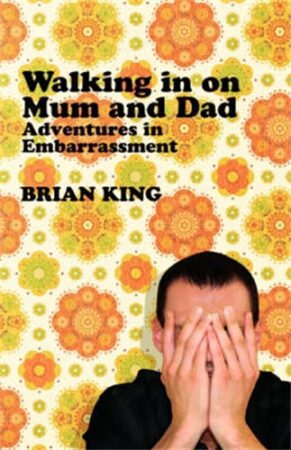
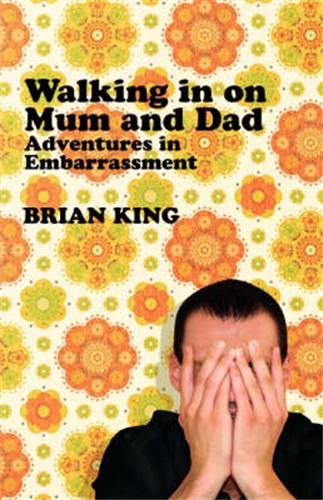
Shortly before Charles de Gaulle's retirement, his wife was asked by Harold Macmillan's wife Dorothy what she most looked forward to in the coming years. 'A penis', she declared. Coming to his wife's rescue, the former president remarked, "My dear, I think the English pronounce it 'appiness'"…"Walking in on Mum and Dad" relives many sorry tales of embarrassment, from author Bill Bryson snoring and dribbling in public to actor Patrick Stewart caught watching re-runs of "Star Trek". There are tales of sex and seduction gone horribly wrong, of indecent exposure on a grand scale, of emails which should never have been sent, of goalkeepers throwing the ball into their own net, of infidelity revealed – by a parrot. But why do we suffer embarrassment at all? And how can we overcome its power over us? Brian King searches for the antidote to embarrassment in science and psychology and by looking at his own experiences as well as hundreds of tales of mortifying misadventures suffered by others. Hilarious from a distance perhaps, but not when it happens to you…

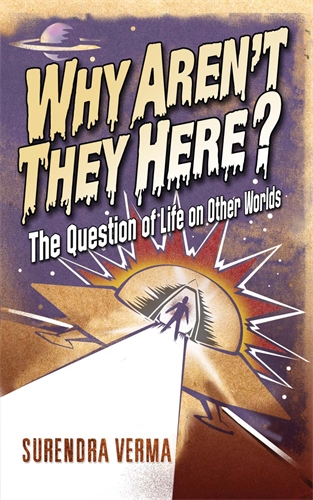
Written by acclaimed science journalist Surendra Verma, this work is a fast-moving and accessible narrative. It outlines the historical, fictional, speculative and emerging scientific views of the possibilities of other life forms. Is there anybody out there? Are there other life forms lurking in outer space – or are they already here? Surendra Verma investigates…The rate of expansion of our universe is mind-blowing: imagine a pea growing to the size of the Milky Way in less time than it takes to blink. In all this infinite space that we cannot even see, let alone explore, it seems certain that there is some life on other worlds. Sir Arthur C. Clarke declared that 'the universe is full of intelligent life – it's just been too intelligent to come here'. Journalist Surendra Verma brilliantly outlines the historical, fictional, speculative and emerging scientific opinions on what alien life might be like. From Aristotle to ET via radio, religion and reincarnation, this fast-moving narrative examines history and dispels myths before focusing on the possibilities lurking in space. In a popular and easy-to-read style, Verma uses current research to speculate what life is like on other planets, how we might communicate with them, and what Earth might seem like to visitors.
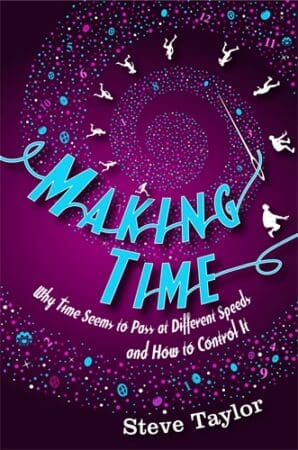
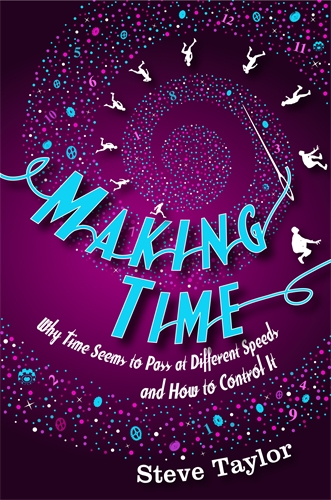
Why does time seem to speed up as we get older? Why does it seem to drag when we're bored or in pain, or to go slowly when we're in unfamiliar environments? Why does it slow down dramatically in accidents and emergency situations, when sportspeople are 'in the zone', or in higher states of consciousness?
Making Time explains why we have these different perceptions of time, suggesting that there are five basic 'laws' of psychological time and uncovering the factors which cause them. It uses evidence from modern physics and unusual states of consciousness to suggest that our normal sense of time is an illusion, 'created' by our minds. But perhaps more importantly, on a practical level, this book shows us what we can do to control our sense of time passing, to make it pass slowly or quickly in different situations. It suggests that it is possible for us to live through more time in our lives, and so effectively increase the amount of time which we are alive for.
In the final chapter, Steve Taylor uses insights from Buddhism – investigating the practices of mindfulness and meditation – to show how we can actually transcend linear time, and learn to live fully in the present moment.
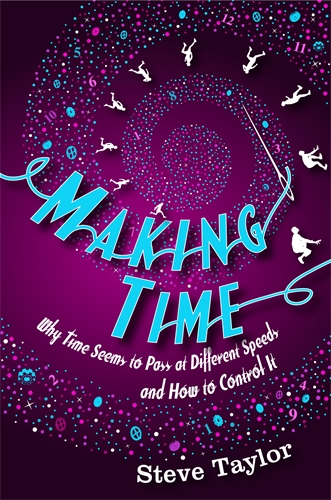
Why does time seem to speed up as we get older? Why does it seem to drag when we're bored or in pain, or to go slowly when we're in unfamiliar environments? Why does it slow down dramatically in accidents and emergency situations, when sportspeople are 'in the zone', or in higher states of consciousness?
Making Time explains why we have these different perceptions of time, suggesting that there are five basic 'laws' of psychological time and uncovering the factors which cause them. It uses evidence from modern physics and unusual states of consciousness to suggest that our normal sense of time is an illusion, 'created' by our minds. But perhaps more importantly, on a practical level, this book shows us what we can do to control our sense of time passing, to make it pass slowly or quickly in different situations. It suggests that it is possible for us to live through more time in our lives, and so effectively increase the amount of time which we are alive for.
In the final chapter, Steve Taylor uses insights from Buddhism – investigating the practices of mindfulness and meditation – to show how we can actually transcend linear time, and learn to live fully in the present moment.


In this new edition of her bestseller, Jessica Williams tests the temperature of our world and diagnoses a malaise with some shocking symptoms. Get the facts but also the human side of the story on the world?s hunger, poverty, material and emotional deprivation; its human rights abuses and unimaginable wealth; the unstoppable rise of consumerism, mental illness, the drugs trade, corruption, gun culture, the abuse of our environment and more. The prognosis might look bleak, yet there is hope, Williams argues, and it's down to us to act now to change things.
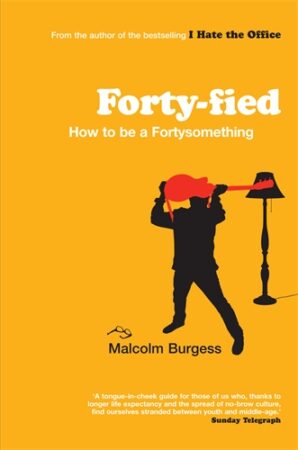
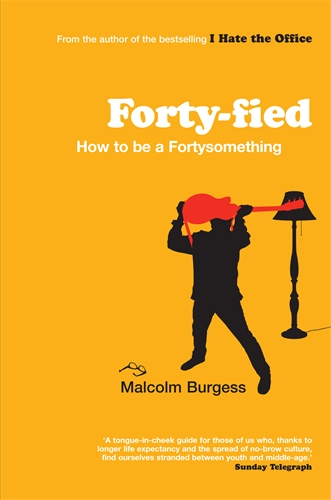
"I Hate the Office" author presents a walking tour of your fifth decade, and advice on which fleece to take along…Is being forty the new thirty or are we all just kidding ourselves? Malcolm Burgess presents a riotous A – Z of the realities of fortysomething life in the Noughties. Riotous, that is, like having your iPod on in the house. Today's fortysomethings have never had it so good – or so confusing. While our parents could look forward to a sensible middle age we're more likely to be playing our Morrissey records and thanking God Jonathan Ross is on Radio 2. There are so many different ways of being in our forties that many of us aren't quite sure where we're supposed to go next – or just how grumpy we're meant to be. "Forty-fied" is the hilariously wry and observant essential guide to this complex decade in our lives. "The Metro" newspaper columnist and bestselling author of "I Hate the Office" leaves no embarrassing fortysomething scenario unturned – or do we mean unstoned? For anyone forty and fabulous, or who's forty and owns ten fleeces, this is the laugh-out- loud funny book of your dreams…and no doubt your screams, too.

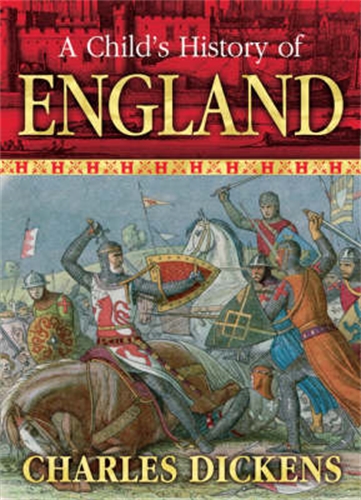
This is a captivating history of England for children from one of the best-loved novelists of all time. Written just after David Copperfield, at the same time as "Bleak House", and in the engaging and conversational style typical of his most celebrated fiction, Dickens' "History of England for Children" is an undiscovered treasure trove of a book. This carefully selected, lightly abridged version shows traditional storytelling at its best. Dickens' lovable theatricality, witty observations and compelling narrative give children access to one of England's greatest writers, and to some of the most powerful stories from its past. For adults, it offers an engaging reminder of the English history we ought to know: who was Hereward the Wake, how was it that Thomas a Becket was murdered in Canterbury Cathedral, and was Canute really trying to stop the tide? Interesting, informative and accessible, "A Child's History of England" takes its reader on a fascinating journey, from Ancient England and the Romans to Victoria's reign and Dickens' own lifetime. Full of sensational plots, gallant heroes and brutal villains, high adventure and terrible tragedy, it will appeal to anyone who enjoys a good story and some horrible history!
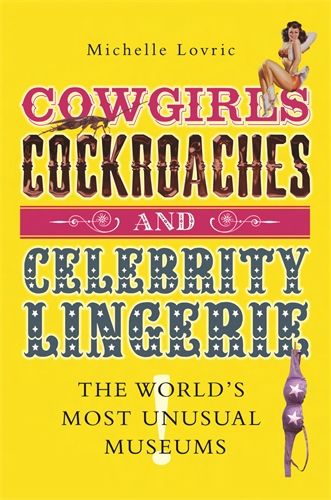
This is an eye-popping tour of some of the most eccentric, bizarre and downright absurd collections of artefacts ever put on show. Strange things, human beings. They get passionate about strange things, too. All over the world and throughout the ages people have accumulated the extraordinary objects of their affection. Some of these collections are now museums…Michelle Lovric presents an armchair pilgrimage to some of the world's oddest and most interesting. They include museums of asparagus, lawnmowers, ships in bottles, the pets of American presidents, menstruation, worry beads and burnt food. There's the vast Spam museum in Minnesota, the tiny Carrot Museum in Belgium, Iceland's elegant and studious Phallological Museum, the hi-tech Parasite Museum in Japan, the chilling Museum of Madness in Venice, or London's atmospheric Old Operating Theatre. Each page describes in colourful detail a different eccentric or remarkable museum. Curators explain the reasons behind their collections. Other museums let their exhibits speak for themselves – conclusive proof that one man's rubbish is another man's relic. Troubled by how conformist, boring and homogenous the world sometimes seems? "Cowgirls, Cockroaches and Celebrity Lingerie" is the ideal tonic – a darkly hilarious celebration of the infinite variety of human weirdness.
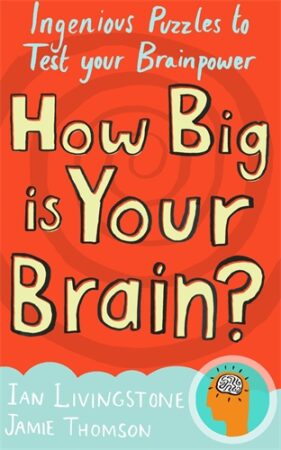
For most parts of your body, exercise is a wonderful thing. The brain is no different, and using this unique puzzle book could help you with concentration, memory and creative thinking. Give it the workout it deserves! Ranging from the mildly challenging to the very tough, "How Big is Your Brain?" is an interactive maze of riddles, enigmas and brainteasers, including codebreaking, number-crunching and logic conundrums, all there to test your mind to the limit. "How big is your brain?" – Take the challenge and find out!
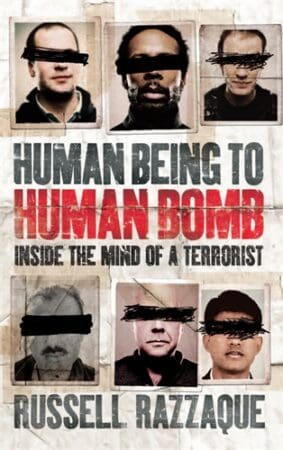
What makes often intelligent young men (and women) violently kill themselves and others in the name of religion and politics? They all had strict fathers and obsessive personalities. They all studied science-based subjects. They lived in the West, grew to despise it and ultimately killed themselves and numerous innocent others. In November 2001, Osama Bin Laden proclaimed: 'We love death. The West loves life. That is the big difference between us.' But who is this 'we'? How does someone go from being an unremarkable school-leaver to a human bomb? And how can this transformation, from teenager to terrorist, be detected?Having had his first of many encounters with extremist Islam at university in London in 1989, Russell Razzaque has watched this harrowing conversion from close quarters. Unique, personal and expertly researched, "Human Being to Human Bomb" shines a light on the real psychology behind Islamic suicide bombing. It is explored by a writer within the religion itself and concludes by unveiling a new psychological device that will expose those who are vulnerable to extremism before it is too late.
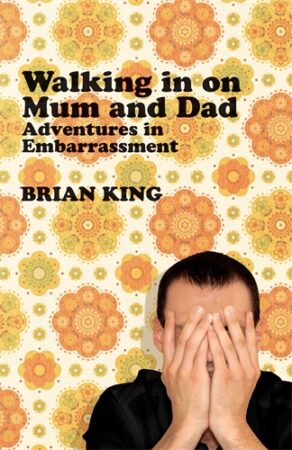
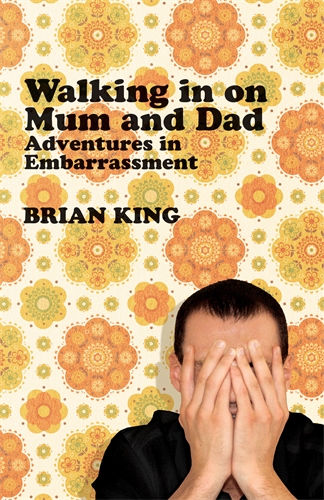
Shortly before Charles de Gaulle's retirement, his wife was asked by Harold Macmillan's wife Dorothy what she most looked forward to in the coming years. 'A penis', she declared. Coming to his wife's rescue, the former president remarked: 'My dear, I think the English pronounce it "'appiness …"'. "Walking in on Mum and Dad" relives many sorry tales of embarrassment, from author Bill Bryson snoring and dribbling in public to actor Patrick Stewart caught watching re-runs of Star Trek. There are tales of sex and seduction, of indecent exposure, of ill-advised emails, of own-goals and of infidelity revealed – by a parrot. Brian King searches for the antidote to embarrassment in science and psychology and by looking at his own experiences, as well as hundreds of mortifying misadventures suffered by others.
